For generations of Kenyan educators, the old Primary Teacher Education certificate—the familiar P1—was the ultimate passport into the primary classroom. That era has officially drawn to a close. The Teachers Service Commission is rapidly phasing out P1 certificates, steering the country toward the Diploma in Primary Teacher Education. Built specifically around the demands of the Competency-Based Curriculum, this new qualification promises a fresh standard for early education.
What does this shift actually mean once you graduate and report to your first posting station?
Under current rules, DPTE primary teachers enter at C1 as their baseline job grade. On paper, this is a genuine win for newly minted diploma holders. Instead of starting at grade B5 like P1 teachers did for decades, you jump straight onto the C1 band. The Commission is finally acknowledging that three solid years of diploma-level training deserves a higher starting step.
Starting higher feels great on paper, but a career is measured by how far you can climb over time. This is where primary school DPTE teachers run into a steep, frustrating roadblock.
The Secondary School Contrast: Same Qualification, Different Rules
To see where the shoe pinches, compare your track with a diploma teacher posted to a secondary school. Both of you hold three-year diplomas. Both of you join the service at job grade C1.
Three years down the line, your secondary school colleague gets promoted to grade C2 automatically. No competitive interview panels. No waiting on public adverts. No competing against thousands of applicants across forty-seven counties. They serve their three years, hand in their documents, and move up the ladder.
Secondary diploma holders do eventually hit a wall at C3, where promotions become competitive. But they get that first guaranteed step up before facing any friction.
The Primary School Bottleneck: Trapped at the Entry Gate
If you are a primary DPTE teacher, the story takes a different turn. You enter at C1, but moving to C2 is not automatic.
In primary schools, grade C2 requires passing a competitive TSC interview.
Imagine two friends graduating from the same teacher training college in the same cohort. One gets posted to a sub-county day secondary school, while the other goes to a public primary school in sub-county Kitui or Kilifi. Three years later, the secondary teacher moves to C2 without writing a single application letter. Meanwhile, the primary teacher stays stuck at C1, keeping their fingers crossed for the next batch of TSC promotion interview adverts. If those interview slots are scarce, you simply stay where you are.
What This Disparity Means in a Rural Classroom
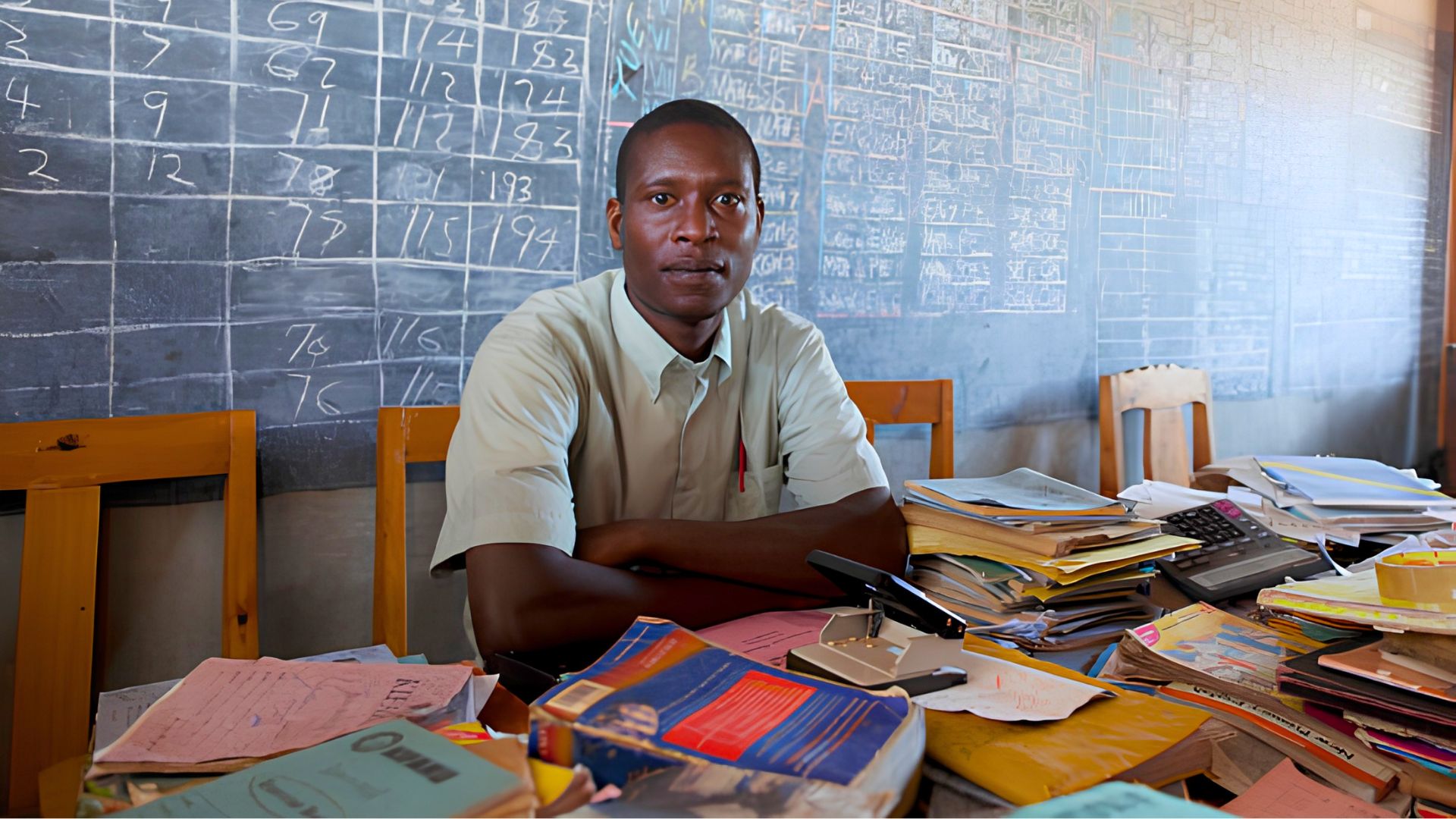
Take the case of Teacher Kevin, who runs a Grade 4 class at a public primary school in rural Machakos. He manages 58 energetic children in a classroom with patchy electricity, sharing CBC workbooks three pupils to a desk. He handles performance tasks, records rubrics every week, and improvise learning materials out of his own pocket.
Kevin holds a DPTE. He works every bit as hard as his friend teaching Form 2 down the road. Yet every month, his payslip remains anchored to grade C1 because no primary promotion slots have opened up in his zone.
This is why so many young educators feel let down. When two teachers hold identical academic diplomas and shoulder similar workloads, treating their progression differently breeds quiet frustration. Upgrading your training should give your career wings, not trap you at the starting gate.
Beyond DPTE: The Arrival of DTE PP&P
As if one curriculum transition were not enough, the training landscape is shifting once again. The government is already preparing to transition from DPTE to the Diploma in Teacher Education, Pre-Primary and Primary.
The main difference lies in versatility. While DPTE focuses strictly on Grade 1 through Grade 6, the DTE PP&P trains you to handle everything from PP1 right through upper primary.
It makes you a far more flexible teacher for basic education. School heads can seamlessly deploy you across early years without requiring extra certification. But if you already hold a DPTE or are currently enrolled, keeping a close eye on how the TSC bridges these qualifications is vital.
Read Also: TSC Free T-Learn Courses for Kenyan Teachers (2026 Guide)
The July 2027 CPG Overhaul: Is Relief on the Horizon?
The root of this unfairness lies in the 2018 Career Progression Guidelines, a system that has long outlived its usefulness. There is good news on the horizon.
During World Teachers Day celebrations on October 5, President William Ruto confirmed that the Salaries and Remuneration Commission has reviewed proposed CPG changes. This updated framework will officially merge with the 2025-2029 Collective Bargaining Agreement in July 2027, tying directly into planned salary increments.
In its June 2026 stakeholder briefing, the TSC openly admitted the flaws of the 2018 rules. The Commission highlighted glaring pay gaps, unequal treatment for teachers with matching qualifications, and an unwieldy 56-level job structure that slowed career growth. Under the draft plan, those 56 job levels will drop to 43 across the service, with primary school career steps trimming down from eight levels to six.
What the Draft CPG Means for Your Career Trajectory
If the proposed framework goes live as planned, primary diploma holders will see a much fairer career path:
- Entry at Teacher 8: Your DPTE diploma places you directly at Teacher 8, which replaces today's C1 entry grade.
- Common Cadre to Teacher 7: Progression from Teacher 8 to Teacher 7 becomes a common cadre movement. That means promotion happens automatically based on time served, eliminating the C2 interview barrier. Teacher 7 will carry the Senior Teacher title, combining the current Senior Teacher 1 and 2 grades.
- Competitive Rungs from Teacher 6: Advancing past Teacher 7 toward Deputy Principal or Principal roles will require competing through merit-based selection.
This proposed structure directly fixes the primary C2 bottleneck by restoring a common cadre step for diploma holders.
However, moving beyond Teacher 7 will demand clear proof of merit. Future interview panels will look beyond years of service, weighing your TPAD records, learner progress, Wajibika awards for teaching excellence, and active involvement in co-curricular activities like music, drama, or athletics.
Practical Steps for a Rural Teacher Today
You do not have to sit back and wait for July 2027 to take charge of your professional growth. Here are four practical things you can do right now to safeguard your career.
First, build an ironclad personal registry. Keep hard and soft copies of your TSC appointment letter, casualty returns, college certificates, and deployment notes. When promotion portals open, missing paperwork can knock you out before your application is even reviewed.
Second, protect your TPAD profile. If you teach in a rural school where mobile network coverage is spotty, plan ahead. Do not leave portal entries until the end of the term when servers get congested. Draft your lesson plans and self-assessments during the week, then head to the nearest trading center with stable network coverage every Friday afternoon to sync your data.
Third, turn your co-curricular work into evidence. If you lead the school choir, coach the volleyball team, or guide pupils in the science congress, keep every award certificate and signed event letter from your headteacher. When competitive promotions open up under the new CPG, these documents prove leadership beyond the classroom.
Finally, verify every training decision before spending your hard-earned money. If you are a P1 teacher planning an upgrade, or a DPTE graduate considering a degree, confirm directly with your local TSC County Director's office how your target course maps into the incoming DTE PP&P framework.
Read Also: TSC New Career Progression Guidelines: Classroom Teacher to Chief Principal (2027 Reforms)
Looking Ahead
Replacing the P1 certificate with the DPTE was a necessary step toward modernizing primary education in Kenya. Setting entry at grade C1 rightfully honors the dedication it takes to complete a three-year diploma.
Yet until the playing field is leveled, primary teachers remain at a distinct disadvantage compared to their secondary colleagues. The proposed Career Progression Guidelines expected in July 2027 offer a promising fix through a common cadre pathway up to Teacher 7.
Until those new rules are officially gazetted, keep your classroom records spotless, stay consistent with your TPAD uploads, and position yourself to take full advantage when the new career ladder opens up.