
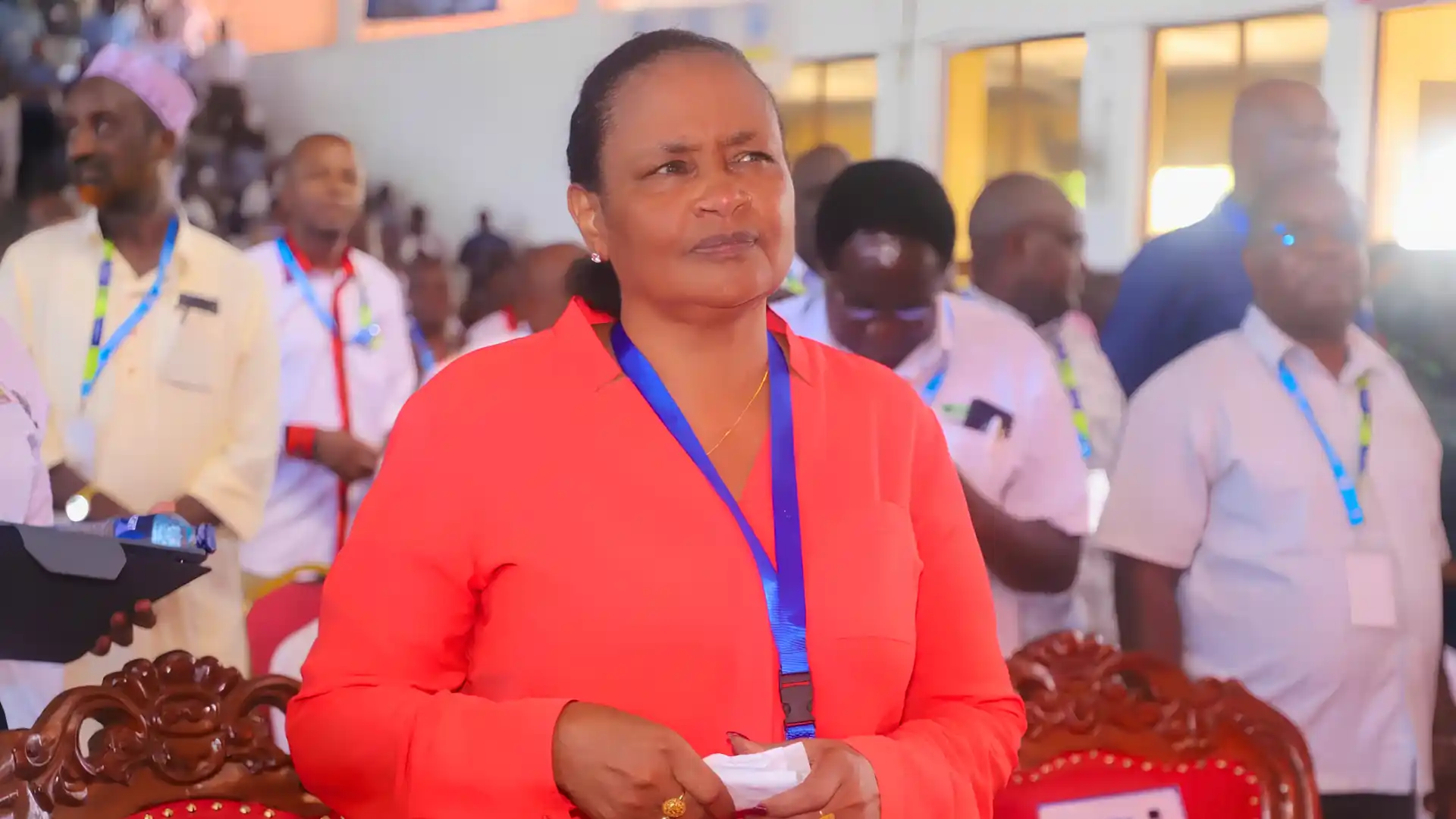
The Teachers Service Commission (TSC) has called on school heads to release excess teachers to institutions facing staffing shortages. Teachers in schools with surplus personnel could now face redeployment.
TSC Acting Chief Executive Officer Dr Evaleen Mitei made the call on 9 November 2026 at the annual conference and general meeting of the Kenya Comprehensive School Heads Association (KECSHA) in Mombasa. She also warned heads against keeping inaccurate staffing records.
What TSC has said
The call signals a fresh push by the Commission to correct unequal teacher distribution. Heads are expected to cooperate with TSC in identifying surplus personnel and in facilitating their deployment to schools where their services are urgently needed.
Dr Mitei said TSC wants teachers distributed fairly across the country, rather than concentrated in institutions with relatively adequate staffing while others struggle with shortages. She stressed the need for cooperation between school administrators and the Commission in correcting these disparities.
The move could trigger staffing changes in some schools as TSC seeks to make full use of its existing workforce and improve access to quality education.
Why redistribution matters
Some schools have comparatively adequate teaching personnel while others operate with serious shortages. In understaffed institutions, teachers are often forced to take additional lessons and heavier workloads. That can affect curriculum coverage, learner assessment and classroom effectiveness.
The situation is particularly significant under Competency-Based Education (CBE), which needs enough teachers to support practical learning, continuous assessment, projects and individual learner development. By deploying surplus teachers to schools with shortages, TSC aims to improve classroom coverage and reduce staffing inequalities without depending entirely on fresh recruitment.
The exercise will need to take account of subject specialisations, enrolment levels, geographical conditions and the specific needs of individual institutions.
Warning on staffing records
Dr Mitei warned school administrators against keeping inaccurate records of teachers joining or leaving their institutions. Heads who fail to comply with the reporting requirements will be held personally responsible under existing regulations.
The directive places greater responsibility on heads to ensure that staffing information is accurate, so that TSC can base deployment decisions on the actual needs of schools. Dr Mitei also urged administrators to make sure schools reopen on schedule in 2027.
Promotions and career progression
Dr Mitei said TSC is considering the promotion of 30,034 teachers, with interviews to be conducted soon. The exercise could open up career advancement for thousands of teachers seeking progression to higher job grades.
She said the Commission is working with the Salaries and Remuneration Commission (SRC) to conclude a job evaluation exercise in preparation for the 2026 Career Progression Guidelines (CPG). She also said the reviewed CPG provides two separate pathways: one for classroom teaching and one for school administration.
Calls for more recruitment
Despite the proposed redistribution, KECSHA National Chairman Fuad Ali asked TSC to increase teacher recruitment beyond the current 26,000 positions. He argued that more recruitment and more promotions are necessary to strengthen service delivery, address staffing gaps and improve teachers’ morale.
His appeal highlights the limits of redistribution alone, particularly as enrolment rises and schools face growing demands under the changing curriculum.
Support for the CBE curriculum
TSC Chairman Dr Jamleck Muturi said the Commission is implementing recruitment and deployment programmes while strengthening teachers’ capacity to deliver CBE. Ongoing professional development, particularly for junior school teachers, covers curriculum design, learner assessment, classroom management, digital literacy and inclusive education.
Dr Muturi challenged school heads to protect instructional time and to give learners opportunities to take part in sports, creative activities, clubs and community programmes.
Read Also: TSC Primary Teacher Recruitment Guidelines 2026: Score Sheet, Documents and Selection Process
Teachers’ union and county government
Kenya National Union of Teachers (KNUT) Secretary-General Collins Oyuu called for better terms and conditions of service. He opposed proposals to make junior secondary schools independent institutions, insisting that they should remain part of the comprehensive school structure under a single administration. He said teachers and school administrators must be consulted before major decisions affecting the education sector are implemented.
Mombasa Governor Abdulswamad Nassir said enrolment in the county’s Early Childhood Development and Education (ECDE) centres has risen from 8,000 to 13,000 children, with 15 additional institutions under construction.
What happens next
The redistribution could help address staffing inequalities. How well it works will depend on transparent deployment decisions, fair consideration of each school’s needs and continued investment in recruitment.
On 10 November 2026, TSC advertised 7,720 vacancies for primary, junior and secondary school teachers on permanent and pensionable terms, to replace teachers leaving service through natural attrition. Applications close at midnight on Monday 23 November 2026.