
The Teachers Service Commission (TSC) is considering a restructuring of the career progression framework for teachers. It could change how teachers advance, especially classroom practitioners who have long seen administrative appointments as the main route to higher grades. At the centre of the proposals are two distinct pathways that separate classroom teaching from school administration. Under them, teachers could rise to the equivalent of Chief Principal without becoming deputy headteachers, principals or institutional administrators.
Where the proposals stand
The proposals follow a comprehensive review of the 2018 Career Progression Guidelines (CPG), which have shaped teachers’ professional advancement for several years. TSC has indicated that the review is complete and that public participation has taken place. The proposed changes are not yet a fully implemented career structure.
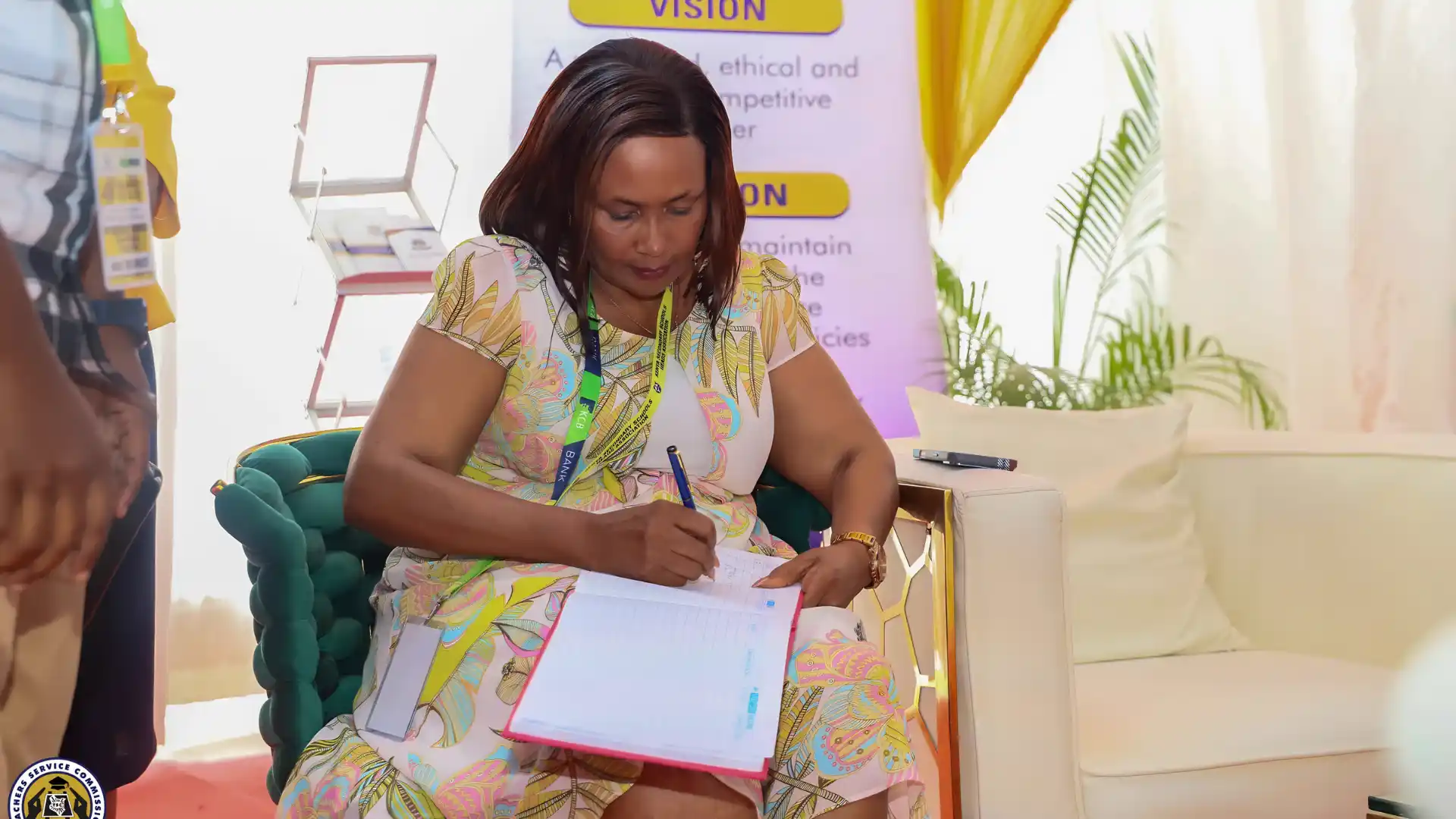
On 9 November 2026, TSC Acting Chief Executive Officer Dr Evaleen Mitei told the annual conference of the Kenya Comprehensive School Heads Association (KECSHA) in Mombasa that the reviewed CPG provides two distinct pathways: one for classroom teachers and one for school administrators. She said the Commission is waiting for the Salaries and Remuneration Commission (SRC) to finish its job evaluation, which will pave the way for the next steps in implementing the new CPG (2026).
Why change the structure
For many years, moving into school administration has been one of the main ways teachers secure higher grades. Experienced classroom practitioners have sometimes felt compelled to seek administrative posts to improve their prospects, even when their greatest contribution lies in teaching.
The two-track arrangement seeks to change this by creating a dedicated classroom teaching pathway alongside the administrative structure. A teacher could keep developing expertise in classroom instruction, curriculum delivery, assessment and mentorship while progressing towards the highest professional level.
This would be a major shift, because effective teaching would become an equal professional destination alongside school management. A structured pathway for classroom practitioners could raise the status of classroom teaching and encourage experienced educators to stay actively involved in learning delivery.
Career progression has remained one of teachers’ most persistent concerns, particularly for those who have spent many years in the same grades without promotion. Teachers have repeatedly questioned a system in which professional growth is limited by few promotional opportunities, administrative vacancies and the availability of positions within particular cadres. The restructuring could offer an alternative: advancement without making administrative appointments the main route to higher grades.
The proposed 18-year timeline
Discussions between TSC and teachers’ unions have included a proposal to reduce the period needed to reach the highest career grade from about 30 years to 18 years. If adopted, this could make career advancement more predictable. The timelines, eligibility requirements and transitional arrangements will need to be set out clearly before teachers can work out how the changes affect their own careers.
The proposal has drawn particular interest because of what it means for teachers who have experienced prolonged stagnation. It emerged from the TSC–union discussions, with the intention of making progression more responsive to years of service and professional development.
Recognising academic advancement
Another dimension of the proposals is stronger recognition of academic advancement within the profession. Teachers who pursue postgraduate diplomas, master’s degrees and doctorates invest considerable time and resources in building their knowledge and capabilities.
A teacher with advanced expertise in curriculum development, educational research, assessment, educational technology or special needs education could contribute at a higher professional level without leaving classroom instruction. The classroom pathway could create room for experienced educators to serve as instructional mentors, curriculum specialists and professional resource persons within the education system, and link academic advancement to practical improvements in teaching and learning.
The role of school administrators
The separate pathways do not diminish the role of school administrators. Headteachers, principals and chief principals oversee institutional management, staff supervision, financial accountability, discipline, infrastructure development and the coordination of educational programmes. These duties call for specialised leadership and management competencies.
The framework therefore seeks to recognise two complementary dimensions of the profession: instructional excellence and institutional leadership. The aim is that teachers are not compelled to give up their professional strengths simply because administrative advancement looks more attractive under the existing structure.
What will decide the outcome
The actual benefits will depend on the final grading structure, the promotion requirements and how teachers already in service are accommodated. Teachers will want to know whether those who have stayed in the same grades for many years will receive transitional consideration, or whether they must meet the same progression requirements as newly appointed teachers. Fairness will be essential if the framework is to win the confidence of the teaching fraternity.
Although TSC has completed the review and public participation, the proposed changes still need implementation processes. The SRC’s job evaluation exercise is particularly important because separating the pathways has implications for job grading, responsibilities and remuneration. The evaluation is expected to establish the relative value of the different positions and inform compensation arrangements.
Teachers will want assurance that the classroom pathway will not simply create new titles without matching recognition of responsibilities and expertise. The line between a professional grade and additional administrative responsibilities also needs clarity, especially on allowances for teachers who take on extra duties. Dr Mitei has said that additional responsibilities assigned to teachers will be assessed separately, with differentiated allowances paid only for the extra duties undertaken.
Different levels of the education system
The reforms also present an opportunity to address long-standing concerns about career progression across different levels of the system. Primary school teachers, junior school teachers, senior school educators and tutors in teacher training institutions have different responsibilities and qualification requirements. The revised framework will need clear grading arrangements that recognise these differences without creating unnecessary disparities.
Junior school remains an area needing attention as Kenya continues to implement the Competency-Based Education (CBE) system. Teachers need support, training and career opportunities that match the changing demands of curriculum delivery. The reforms should also recognise specialised training, continuous professional development and additional academic qualifications.
A question about the profession
Beyond grading, remuneration and promotion timelines, the proposals raise a basic question about how Kenya values the teaching profession: must an excellent classroom teacher eventually become a school administrator to reach the highest professional recognition?
The two-pathway structure treats instructional leadership and institutional management as distinct but equally important contributions to education. It could encourage experienced teachers to remain in classrooms, mentor younger colleagues and strengthen learning outcomes while still enjoying growth opportunities. It could also make school administration a more deliberate career choice for educators whose strengths lie in institutional leadership.
Read Also: TSC Announces Film, Music and Sports Training for Junior School Teachers
Teachers will be looking beyond announcements for clear implementation timelines, transparent promotion criteria, fair remuneration and practical solutions to long-standing career stagnation. The success of the reforms will depend on whether they bring tangible improvements to teachers’ professional lives.
If properly implemented, the restructuring could help build a teaching service in which advancement is determined by expertise, competence and contribution, rather than the assumption that every ambitious teacher must eventually hold an administrative office.