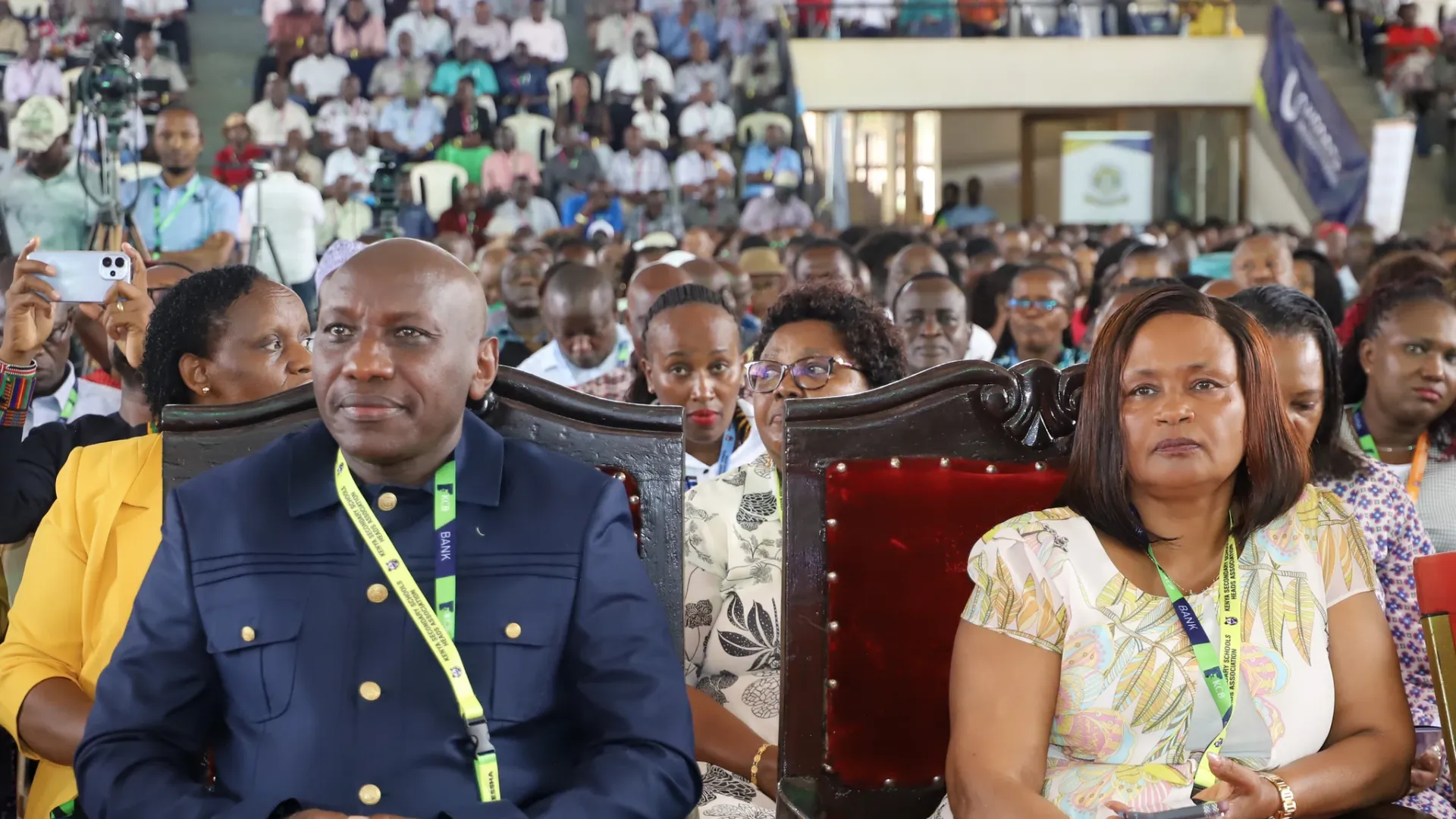
Primary school heads begin their annual national conference in Mombasa on Monday 9 November 2026. The Kenya Comprehensive Schools Heads Association (KECSHA), formerly the Kenya Primary School Heads Association, is holding it at the Sheikh Zayed Children Welfare Centre. Three issues lead the agenda: how junior schools are managed, teacher promotion prospects and pay.
What the heads want
KECSHA wants primary and junior schools to run under one administration. A single head of institution would oversee the whole comprehensive school, with deputies managing the different sections.
KECSHA National Chairman Fuad Ali has said the heads are ‘not for autonomy’ for any section. He said they want every section, from early childhood development to primary and junior school, to operate as one organisation called a comprehensive school.
What the Ministry of Education has already resolved
The Ministry of Education has already taken a position on the structure. Its National Conference on Education, held at Lake Naivasha Resort from 7 to 9 May 2026, resolved that a comprehensive school will have:
- one Board of Management
- one Head of Institution
- two deputy headteachers, one for the primary section and one for the junior section
The Ministry’s resolutions also propose a Directorate of Comprehensive School Education to oversee these schools. They back a harmonised framework for fees and capitation within comprehensive schools. The resolutions are signed by Education Cabinet Secretary Julius Ogamba.
The KECSHA proposal and the Ministry’s resolutions describe a similar leadership model, so the discussion in Mombasa is likely to turn on how it is implemented. The Ministry’s resolutions do not settle every detail the heads are likely to raise.
Promotions: the 2027 changes announced by TSC
The Teachers Service Commission (TSC) has announced a new Career Progression Guidelines (CPG) framework that replaces the 2018 guidelines. TSC Commissioner Timon Oyucho gave the details at the Nyanza regional World Teachers’ Day celebrations in Seme, Kisumu County, in October 2026.
| Change | What TSC has announced |
|---|---|
| Start date | The new CPG takes effect in July 2027 |
| Titles | All heads of institutions are redesignated as principals from 1 July 2027, including primary school heads |
| Career paths | Classroom teachers and administrators get separate progression pathways |
| Top classroom grade | A classroom teacher can reach the chief principal grade without taking an administrative post |
| Pay at that grade | A classroom chief principal and an administrator chief principal earn the same basic salary |
| Vacancies | TSC will advertise administrative and classroom posts separately |
| Next step | The revised guidelines have been forwarded to the Salaries and Remuneration Commission (SRC) for advice on their financial implications |
Under the 2018 guidelines, a deputy head teacher moves up through set grades. A teacher must serve at least three years as Deputy Head Teacher II (T-Scale 9) to qualify for appointment as a head teacher. Promotion to head teacher is competitive and depends on vacancies in the establishment.
The principal title is one the heads asked for before. KECSHA’s 2024 conference called for principal status for primary and junior school head teachers, along with better career progression and pay.
Pay
Remuneration is on the agenda for Mombasa, with no figures set out for it. The only pay detail TSC has announced is the equal basic salary for classroom and administrator chief principals. The financial implications of the new CPG are with the SRC.
Context from the 2025 conference
KECSHA’s 2025 conference in Mombasa drew 12,829 delegates, compared with 16,031 in 2024. Delegates approved the renaming of the association from KEPSHA to KECSHA. They also adopted a call for institutional autonomy for school heads and asked the Ministry to release capitation promptly, with the accompanying circulars.
At that conference, a Ministry of Education official reported that junior school capitation has totalled KES 111 billion since 2022.