Have you ever poured your heart into teaching—only to realize it doesn’t translate into school growth or financial stability?
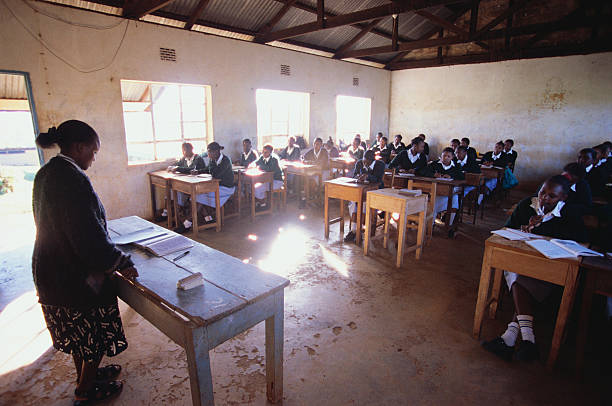
This is a reality many teachers in Kenya, especially in rural areas, quietly face. We often believe that quality teaching, discipline, and strong values will naturally attract parents and grow our schools. But on the ground, things don’t always work that way.
The truth is uncomfortable: good education and good business don’t always align.
The Reality of Rural Education in Kenya
Running a rural school is more than just delivering lessons—it’s navigating mindsets, affordability, and expectations.
In many communities:
- Education is judged by visible outcomes, not long-term impact
- Parents prioritize affordability over quality
- Schools compete based on appearance rather than learning outcomes
This creates a tough environment for schools that genuinely want to deliver competency-based education under CBC.
Why This Matters in Kenya’s Education System (CBC & KNEC Context)
With the shift to the Competency-Based Curriculum (CBC) under the Ministry of Education Kenya, the focus has changed:
- Skills over cramming
- Creativity over memorization
- Continuous assessment over one-off exams
Meanwhile, the Kenya National Examinations Council still plays a major role in assessing learners.
The problem? Many parents still measure success using:
- Exam results
- English fluency
- Quick academic progress
But CBC requires:
- Time
- Patience
- Teacher training
- Parental understanding
This mismatch creates tension between what schools should offer and what parents expect.
Quality Education Requires Investment
Let’s be honest—quality education is expensive.
To truly deliver:
- Smaller class sizes
- Trained and motivated teachers
- Individual learner attention
- Co-curricular and digital skills
…schools must invest heavily.
But in many rural parts of Kenya:
- Parents expect low fees
- Fee increases lead to withdrawals or complaints
Result: Schools are forced to compromise or struggle financially.
The Harsh Reality: What Sells vs What Matters
Here’s something many school owners won’t say publicly:
What sells fast is not always what matters most.
Parents are often drawn to:
- Big school buildings
- Smart uniforms
- English-speaking environments
- Branding and marketing
But real education focuses on:
- Discipline
- Critical thinking
- Values and character
- Deep understanding
Unfortunately, these take time—and are harder to “market.”
A Teacher’s Perspective (Real Kenyan Classroom Experience)
I remember teaching in a rural school where we introduced practical CBC activities—group work, projects, and problem-solving.
At first, the students loved it. They were engaged, asking questions, even staying back after class.
But during the next parents’ meeting, one parent asked:
“Why are our children playing instead of reading for exams?”
That moment hit hard.
As teachers, we could see the growth. But parents wanted marks, not skills.
It’s a constant struggle—do you teach for exams or for life?
The Balancing Act: Education vs Business
Running a school in Kenya today feels like walking a tightrope:
| Focus | Outcome |
|---|---|
| High quality education | Slow growth, financial pressure |
| Strong business strategy | Faster growth, possible compromise on quality |
The goal is to find a middle ground—but it’s not easy.
Challenges Facing Rural Schools in Kenya
1. Low Fee Expectations
Parents struggle economically, limiting what schools can charge.
2. Mindset Gaps
Many still value traditional exam-based learning over CBC skills.
3. Teacher Burnout
Teachers work harder but are often underpaid.
4. Limited Resources
Lack of ICT tools affects digital learning and CBC delivery.
5. Competition from “Branded” Schools
Schools with better marketing attract more learners—even if quality is questionable.
Practical Solutions for Teachers & School Owners
1. Educate Parents
- Hold regular meetings
- Explain CBC clearly
- Share student progress beyond marks
2. Show Results Differently
- Use portfolios
- Display student projects
- Share success stories
3. Balance Quality with Sustainability
- Offer flexible fee plans
- Introduce income-generating activities
4. Invest in Teacher Training
Partner with institutions like the University of Nairobi for professional development.
5. Leverage Digital Skills
- Introduce basic ICT training
- Use free online tools to enhance learning
Tips for Teachers Working Under CBC in Kenya
- Focus on skills AND exam readiness
- Use locally available materials for projects
- Collaborate with other teachers
- Keep learning—education is evolving fast
Frequently Asked Questions (FAQs)
1. Why is quality education expensive in Kenya?
Because it requires trained teachers, smaller classes, and learning resources—all of which cost money.
2. How can teachers handle parents who only want exam results?
Educate them gradually. Show how CBC skills improve long-term success.
3. Is CBC effective in rural schools?
Yes—but it requires proper implementation, teacher training, and parental support.
4. How can schools balance quality and profit?
By combining good teaching with smart management strategies like flexible fees and community engagement.
5. What role does KNEC play in CBC?
The Kenya National Examinations Council (KNEC) handles assessments, but CBC also includes continuous evaluation.
Final Thoughts: Can Good Education and Good Business Coexist?
Yes—but only if there’s a shift in mindset.
- Parents must value long-term learning
- Schools must balance quality and sustainability
- Teachers must remain committed—even when it’s tough
Improving education in Kenya is not just about policy—it’s about understanding reality on the ground.
Let’s Talk
What has been your experience as a teacher or school owner in Kenya?
- Do parents in your area value quality education?
- How are you balancing CBC demands with real-world challenges?
Drop a comment, share this with a fellow teacher, and join the conversation.
Related reading: